The Allure of Risk and Reward
The thrill of risk-taking is a fundamental aspect of human psychology, and in the context of casino gambling, this allure is particularly pronounced. The anticipation of a potential win can trigger a flood of emotions, from excitement to anxiety, making even the possibility of a fast withdrawal online casino enticing. This emotional rollercoaster compels individuals to return to the casino, as each visit offers the hope of a life-changing win, even if it is statistically unlikely. For many, the prospect of winning money is not just about financial gain; it fulfills a deeper psychological need for reward and validation, often leading to repeated visits in search of that elusive jackpot.
The psychological concept of “loss aversion” plays a significant role in gambling behavior. Studies show that the pain of losing is felt more acutely than the pleasure of winning, which explains why gamblers often chase their losses. This phenomenon can create a vicious cycle, where individuals continue to gamble in hopes of recouping their funds, despite accumulating losses. This skewed perception of risk and reward can lead to irrational decision-making, keeping players trapped in a cycle of hope and disappointment, where each loss only intensifies the desire to gamble again in pursuit of a win.
Moreover, casinos design their environments to enhance this psychological effect. The flashing lights, sounds of winning, and the overall ambiance create an atmosphere of excitement and possibility. This carefully crafted environment encourages gamblers to stay longer and spend more. The use of free drinks and complimentary services further entices players, adding to the immersive experience and making it difficult for individuals to recognize the negative aspects of their gambling behavior. This sensory overload can create a euphoric state that clouds judgment, leading to extended play and increased expenditure.
The Role of Cognitive Biases
Cognitive biases significantly influence gamblers’ decisions in casinos. One common bias is the “gambler’s fallacy,” which leads players to believe that past outcomes affect future results in games of chance. For instance, after a series of losses, a gambler may feel that a win is overdue, which can result in increased betting. This faulty reasoning often results in further losses, yet the emotional drive to continue gambling remains strong. Understanding these cognitive biases is crucial for recognizing the irrational thought patterns that can lead to compulsive gambling and financial ruin.
Another bias affecting gamblers is the “illusion of control,” where players believe they can influence the outcome of games that are purely based on chance. This illusion may stem from players’ experiences and strategies they develop, particularly in games like poker or blackjack, where skill does play a role. As a result, they may overestimate their abilities and take risks that lead to significant losses. The belief that one can “outsmart” the game contributes to prolonged gambling experiences and financial risks, as players often disregard the fundamental randomness inherent in most casino games.
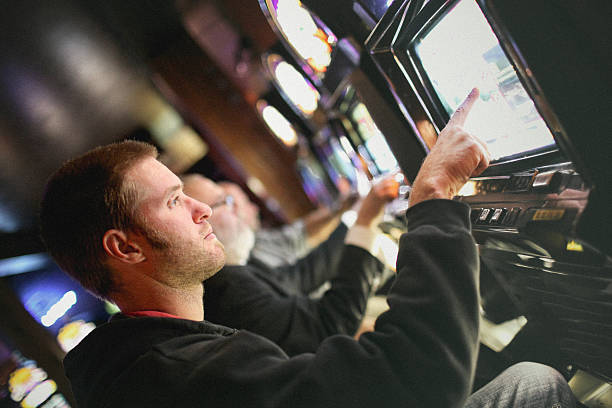
Finally, confirmation bias can also impact gambling behavior. Gamblers tend to seek out information that supports their belief in their own luck or skill while ignoring evidence to the contrary. For instance, a player might remember their wins vividly while dismissing the losses. This selective memory reinforces their belief in their gambling prowess and keeps them engaged in the activity, despite its inherent risks. Recognizing these biases is essential for anyone looking to understand the psychological underpinnings of gambling behavior, as it highlights the discrepancies between perception and reality that can lead to detrimental outcomes.
The Social Dynamics of Gambling
The social environment surrounding gambling can significantly influence individuals’ choices to partake in such activities. Many people find that playing in a social setting enhances the experience, where they can share the excitement of winning or the camaraderie of playing together. This social aspect can create a sense of belonging, where individuals feel connected with others over shared experiences. Social interactions within a casino, such as engaging with dealers or other players, can amplify the entertainment value of gambling, turning it into a communal activity rather than a solitary one.
Moreover, peer pressure and societal norms can heavily influence gambling behavior. Individuals may feel compelled to participate in gambling during social events or gatherings, seeing it as a rite of passage or a way to fit in. This can lead to increased participation and, in some cases, riskier behavior driven by the desire to impress others or maintain social status within a group. In this regard, gambling can become less about individual choice and more about collective influence, where the need for acceptance can overshadow personal financial prudence.
Additionally, the portrayal of gambling in media can impact perceptions and behaviors. Movies, television shows, and advertising often glamorize gambling, presenting it as an exciting and lucrative endeavor. This can shape public attitudes and expectations around gambling, making it seem more appealing than it may genuinely be. The allure created by popular culture can motivate individuals to engage in gambling, often without fully understanding the psychological and financial implications of their actions. This cultural framing can contribute to the normalization of gambling behaviors, particularly among younger audiences.
Understanding Addiction and Recovery
Casino gambling can lead to addiction, a complex psychological condition characterized by the inability to control one’s gambling behaviors despite negative consequences. This addiction is often rooted in deeper psychological issues, such as anxiety or depression, which individuals may attempt to escape through gambling. The temporary thrill of winning can mask underlying problems, creating a cycle that is difficult to break. Understanding this relationship between gambling and mental health is vital for those affected by addiction, as it highlights the need for targeted therapeutic interventions.

Recovery from gambling addiction typically involves a multi-faceted approach, including therapy, support groups, and sometimes medication. Cognitive Behavioral Therapy (CBT) can be particularly effective, as it helps individuals recognize and alter their thought patterns surrounding gambling. Support groups, like Gamblers Anonymous, provide a community and a shared experience, crucial for those seeking to overcome addiction. These resources can offer hope and demonstrate that recovery is possible, providing individuals with the strategies needed to combat their urges and rebuild their lives.
Additionally, education plays a critical role in prevention and recovery. Increasing awareness about the risks and psychological aspects of gambling can help individuals make informed decisions. Programs aimed at educating potential gamblers about the signs of addiction and the importance of responsible gambling can empower individuals to recognize when to walk away. Ultimately, fostering an understanding of the psychological factors involved in gambling is essential for promoting healthier habits and providing support for those in need, creating an environment where recovery and responsible gaming can flourish.
Your Resource for Gambling Insights
For individuals seeking to understand more about the psychology of gambling, a wealth of resources is available online. Whether you are curious about the cognitive biases that influence decision-making or looking for support in the face of addiction, numerous platforms offer valuable insights and guidance. Many websites are dedicated to educating the public on responsible gambling practices, providing tools and resources for those affected by gambling issues. These platforms often feature expert advice, personal stories, and strategies for navigating the gambling landscape safely.
Additionally, forums and communities exist where individuals can share their experiences and learn from others’ journeys. Engaging with these platforms can provide a sense of connection and understanding, which is especially important for those grappling with gambling addiction. Knowledge of psychological principles can equip individuals with the tools to make informed choices and mitigate risks associated with gambling. Such interactions foster a sense of community and shared learning, enhancing the recovery process for many.
Ultimately, understanding the psychology behind casino gambling is crucial for anyone participating in or affected by this activity. By recognizing the emotional and cognitive factors at play, individuals can make healthier decisions and contribute to a culture of responsible gambling. The more we explore this fascinating subject, the better equipped we will be to navigate the complex world of gambling, ensuring that we do so with awareness and care for our well-being and that of others.